
What Makes a High-Quality Hydrogen Water Machine? A Buyer's Checklist
The hydrogen water machine market ranges from rigorously engineered systems to cheaply made devices that barely deliver on their promises. Here's how to tell the difference.
If you've decided that a hydrogen water machine is the right investment for your home, the next question matters just as much: which one?
The market is crowded, the marketing language is often indistinguishable, and it can be genuinely difficult to know what separates a system worth buying from one that will disappoint you within a year. This guide cuts through that — giving you the specific things to look at, ask about, and insist on before you spend a dollar.
— WHY QUALITY MATTERS —
Why Quality Matters More Than Price
Hydrogen water machines span an enormous price range — from under $100 for basic portable devices to several thousand dollars for top-grade ionizers. That range exists for a reason, and price alone isn't the reliable indicator most buyers assume it is.
The variables that actually determine whether a machine delivers meaningful hydrogen-rich water are specific and measurable. A cheap machine can look identical to a quality one in marketing photos. The difference shows up in what comes out of it — and how long that lasts.
Here's what to actually evaluate:
⚠ The core problem: Many hydrogen water devices on the market produce H₂ concentrations far below the range studied in scientific research — or start there and decline rapidly. You can't see, smell, or taste the difference. You need to know what to ask.
— HYDROGEN CONCENTRATION —
Hydrogen Concentration — The Most Important Number
Everything else is secondary to this: how much dissolved molecular hydrogen does the machine actually produce, measured in parts per million (ppm)?
Scientific research on molecular hydrogen has largely focused on concentrations in the range of 0.5 to 1.6 ppm. Below 0.5 ppm, the therapeutic value supported by current research becomes questionable. A quality machine should produce consistently at or above this threshold — and a serious system should be delivering 1.0 ppm or higher.
0.5 ppm and below: minimal — question whether this machine is worth buying
0.5–1.0 ppm: acceptable level for basic hydrogen water machines
1.0–1.6 ppm: the range produced by quality ionizers — where the research is strongest
1.6 ppm+: produced by premium systems under optimal conditions & water quality
At True Source Waters: We test the H₂ output of every system we recommend and install. If a machine doesn't consistently produce water within the research-supported range, we don't carry it.
— ELECTROLYSIS TECHNOLOGY —
Electrolysis Plates — The Heart of the Machine
The electrolysis chamber is where hydrogen water is actually made. The quality of that chamber determines both the H₂ concentration the machine can achieve and how long it can sustain that output.
Plate material
Quality hydrogen water ionizers use solid titanium plates coated in medical-grade platinum. Titanium provides durability and corrosion resistance. Platinum is the optimal catalyst for the electrolysis reaction — it's stable, non-reactive with water, and maintains consistent performance over years of daily use.
Lower-quality machines often use smaller plates (less surface area) cheaper base metals or thinner platinum coatings that degrade faster. This is rarely disclosed upfront — ask directly about plate composition if it isn't specified.
Surface Area Matters
More electrolysis plates means more surface area for the ionization process — which translates to higher achievable H₂ concentrations and more consistent output across varying water conditions. Quality countertop and under-counter ionizers typically use 7 or 8 plates. Devices with fewer plates are generally limited in the concentrations they can achieve.Cheaply made mesh plates that don't contain titanium or platinum will erode quickly with electrolysis.
Self-cleaning capability
Mineral deposits from tap water build up on electrolysis plates over time, gradually reducing efficiency and H₂ output. A quality machine includes an automatic self-cleaning cycle — typically a daily polarity reversal that clears scale from the plates — so performance stays consistent without manual intervention.
⚠ Red flag: Any machine that doesn't specify its plate material, plate count, or cleaning mechanism should be approached with caution. These are the core specs of the product — there's no reason to omit them unless the answer is unflattering.
— FILTRATION —
Filtration — Know What Your Machine Covers
This is an area where honest clarity matters more than impressive-sounding claims.
A quality hydrogen water ionizer includes a built-in filter that addresses the most common tap water contaminants — primarily chlorine, lead, VOC’s— which would otherwise interfere with the electrolysis process and end up in your drinking water.
However, a single built-in filter does not address everything. Depending on your local water supply, additional concerns may include:
Fluoride
Chloramines (used in many municipal systems as a chlorine alternative)
Heavy metals beyond lead — arsenic, mercury, iron
Nitrates
PFAS, PFOS
For households where these are concerns, a pre-filter installed upstream of the ionizer is the right solution. A good dealer will assess your specific water quality and recommend the appropriate pre-filtration rather than simply selling you the machine and moving on.
How we approach it: At True Source Waters, we discuss your local water quality as part of every installation conversation. Santa Cruz municipal water has its own profile — we know it well, and we'll tell you exactly what your setup needs to address it properly.
— BUILD QUALITY & LONGEVITY —
Build Quality, Longevity, and Who Stands Behind It
A hydrogen water machine is not a small purchase. The questions around build quality and long-term reliability deserve as much attention as the specs.
Materials in contact with your water
Every component that touches your water — tubing, internal chambers, fittings — should be food-safe and free of BPA and other leaching plastics. Enagic systems are built to standards that consumer-grade devices often aren't held to. Ask specifically about internal materials if this isn't documented.
Plate and system longevity
A well-built ionizer with solid platinum-coated titanium plates, properly maintained, is designed for many years of daily use. This is a meaningful distinction from portable hydrogen bottles, where the electrolysis membrane typically degrades within months and requires replacement. When evaluating a machine, ask about expected plate life and what maintenance looks like over time.
Manufacturer track record
How long has the manufacturer been producing ionizers? Do they have a service network? Are replacement parts and filters readily available years down the line? A machine is only as good as the support behind it.
Enagic, the manufacturer whose systems we install at True Source Waters, has been producing water ionizers since 1974. Replacement filters are standard and readily available. Their systems are built with the expectation of long-term daily household use — not a product cycle measured in months.
Local installation and support
This matters more than most buyers anticipate. A hydrogen water machine installed correctly, with appropriate pre-filtration for your specific water supply, performs significantly better than one that's self-installed without that context. And when questions come up — filter replacement schedules, output changes, water quality shifts — having a local expert to call makes a real difference.
True Source Waters: We install, support, and personally use the systems we recommend. Every installation comes with hands-on walkthrough, filter replacement guidance, and our ongoing availability for questions.
— BUYER'S CHECKLIST —
Quick Reference: What to Ask Before You Buy
H₂ concentration output
✓ Quality system: Verified test data showing 1.0 ppm or higher
✗ Red flag: Vague marketing range
Electrolysis plates
✓ Quality system: Solid titanium, platinum-coated, 7–8 plates
✗ Red flag: Plate material undisclosed or fewer than 5 plates
Self-cleaning
✓ Quality system: Daily cleaning cycle built in
✗ Red flag: No cleaning mechanism — plates will scale and degrade
Filtration
✓ Quality system: Built-in filter clearly specified; pre-filter option available
✗ Red flag: "Multi-stage filtration" claimed without specifics
Build materials
✓ Quality system: Food-safe, BPA-free, medical-grade internal components
✗ Red flag: Materials not disclosed
Manufacturer
✓ Quality system: Established track record, parts available, local support
✗ Red flag: No service network, no filter replacement path
The Bottom Line
A high-quality hydrogen water machine is a long-term investment in your daily hydration — and it's one that pays off when you buy right the first time. The questions above aren't difficult to answer if a manufacturer or retailer is confident in their product. If those answers are hard to get, that tells you something important.
We're happy to answer every one of them for the systems we carry — and to walk you through exactly what would work best for your home, your water supply, and your household.
Visit us: True Source Waters · 3617b Portola Dr, Santa Cruz, CA 95062 · (831) 201-4935 · Mon–Sat 10am–6pm · Free refills always available

Not all hydrogen water machines are created equally. Understanding the factors that influence hydrogen production and system design can help you make a more informed and confident decision.
Continue Exploring Hydrogen Water
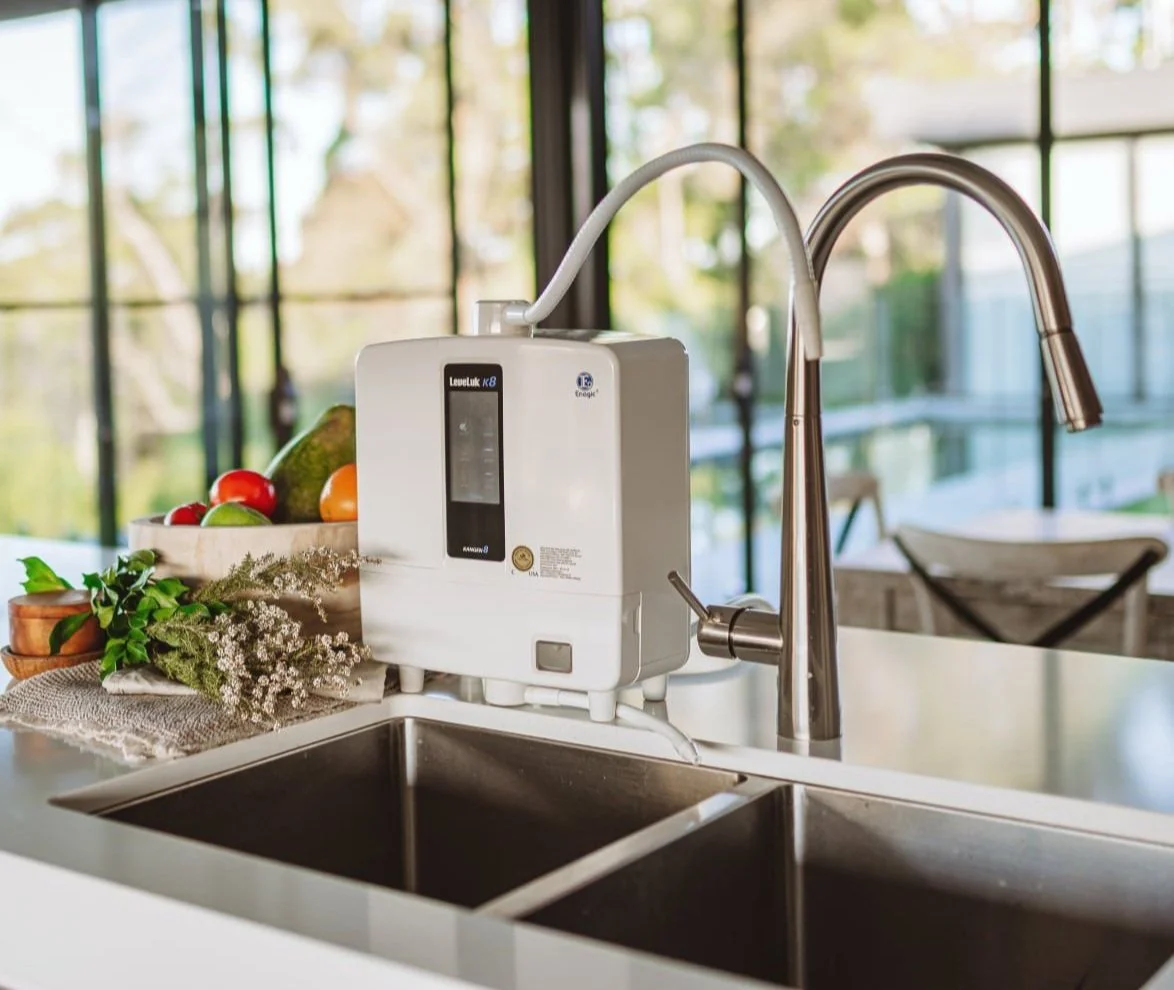
Hydrogen Water Machines: How They Work, What to Look For, and How to Choose the Right System
Explore how portable devices compare to full systems in terms of performance and daily use.
Beginner’s Guide to Molecular Hydrogen
A complete guide to how hydrogen water systems function and how to evaluate different options.
Hydrogen Water Bottle vs Machine
Understand the science behind hydrogen water and why molecular hydrogen is being studied.
For those seeking a more consistent and reliable way to incorporate hydrogen-rich water into daily life, high-quality systems are designed to generate molecular hydrogen directly into drinking water.