
Hydrogen Water Machine Guide: How They Work, What to Look For, and How to Choose the Right System
A complete, plain-language guide to hydrogen water machines — from the science of how they work to the practical differences between portable bottles, countertop units, and whole-home systems.
If you've been exploring hydrogen water and started wondering how to get consistent access to it — not just from a store, but at home — this guide is your starting point.
We'll walk through what a hydrogen water machine actually does, how the technology works, what separates a quality system from a cheap one, and how to figure out which type of system fits your life.
— THE BASICS —
What Is a Hydrogen Water Machine?
A hydrogen water machine — also called a hydrogen water generator or water ionizer — is a device that infuses regular drinking water with dissolved molecular hydrogen gas (H₂). The result is hydrogen-rich water: water that contains measurably elevated concentrations of H₂, ready to drink.
The concept is straightforward. Molecular hydrogen (H₂) is the subject of over 1,800 peer-reviewed scientific studies exploring its antioxidant properties and biological activity. The challenge has always been delivery — how do you get a sufficient concentration of H₂ into water that someone can drink conveniently, every day?
That's exactly what a hydrogen water machine solves.
What a hydrogen water system for home use actually does
A quality home hydrogen water machine connects to your existing water supply and performs two functions simultaneously:
Filtration — removing chlorine, heavy metals, and other harmful contaminants from your tap water
Ionization — using electrolysis to infuse the filtered water with dissolved molecular hydrogen
The output is fresh hydrogen-rich water, produced on demand, at concentrations consistent with the ranges studied in scientific research. You turn on the tap. You get therapeutic-grade water. That's the whole idea.
At True Source Waters: We use and recommend Enagic ionization systems — Whose ionization technology has been certified as a medical device by Japan's Ministry of Health, Labor, and Welfare — and water ionizer technology has been studied and refined in Japan for over 60 years. Every machine we install is tested to verify H₂ output is within the research-supported therapeutic range.
→ New to molecular hydrogen and want the science first?
— THE TECHNOLOGY —
How Hydrogen Water Machines Work
Understanding the technology behind a hydrogen water generator helps you make a more informed buying decision — and helps you ask better questions when evaluating systems.
Electrolysis: the core process
Every quality hydrogen water machine uses electrolysis to produce H₂. Here's how it works:
Water (H₂O) is passed over electrolysis plates — ideally titanium plates coated in platinum, for optimum quality — through which a low-voltage electrical current runs. This current splits water molecules, releasing hydrogen gas (H₂) on one side and oxygen gas (O₂) on the other.
The hydrogen gas dissolves directly into the water passing through the chamber, creating hydrogen-rich water. The oxygen and any acidic byproducts are separated and discharged — they don't end up in your drinking water.
Key term: Hydrogen electrolysis technology refers to this process of using electrical current to split water molecules and dissolve the resulting H₂ gas into drinking water. It's the foundation of every serious hydrogen water machine on the market.
Filtration: the other half of the equation
Hydrogen infusion is only as good as the water you start with. A quality hydrogen water machine includes multi-stage filtration that removes:
Chlorine and chloramine (common in municipal tap water)
Heavy metals including lead & mercury
Volatile organic compounds (VOCs)
Sediment and particulates
Some people will opt for pre-filtration or even whole-home systems upstream of the ionizer, ensuring the cleanest possible input water before hydrogen infusion begins.
— BOTTLES VS MACHINES —
Hydrogen Water Bottle vs Machine — A Quick Overview
When people first explore hydrogen water, they often encounter two categories of products: portable hydrogen water bottles and dedicated hydrogen water machines. They solve different problems and serve different needs.
Hydrogen water bottles
A hydrogen water bottle contains a small built-in electrolysis chamber that infuses water with H₂ on demand. They're compact, travel-friendly, and accessible in terms of price. You fill the bottle, run a brief electrolysis cycle, and drink.
The trade-off: portable bottles typically produce lower H₂ concentrations than dedicated machines, and they produce water in small batches rather than continuously. They do not address the filtration issue resulting in often lower water quality consumed.
Hydrogen water machines
A dedicated hydrogen water machine — countertop or installed — produces higher H₂ concentrations consistently, provides on-demand access at your tap, and includes full filtration. For daily household use, a machine is the more practical and effective long-term solution.
The honest take: A hydrogen water bottle one way to explore hydrogen water while traveling or before committing to a home system. A hydrogen water machine is what you want if hydrogen water becomes part of your daily routine.
→ Read the full comparison: Hydrogen Water Bottle vs Machine
— WHAT TO LOOK FOR —
What to Look for in a Hydrogen Water Machine
Not all hydrogen water machines are created equal. The market includes everything from medical-grade systems backed by decades of clinical use to cheap devices that barely move the needle on H₂ concentration. Here's what actually matters.
Hydrogen concentration output
This is the most important spec. Measured in parts per million (ppm) or milligrams per liter (mg/L), H₂ concentration determines whether your water is actually in the range studied in scientific research.
Below 0.5 ppm: minimal therapeutic value based on current research
0.5–1.0 ppm: within the range used in many research studies
1.0–1.6 ppm and above: higher-end therapeutic range, produced by quality machines
Always ask a manufacturer or retailer for verified H₂ concentration data — not marketing claims. A reputable system will have third-party or in-house testing to back up its numbers.
Electrolysis plate quality
The electrolysis plates are the heart of any hydrogen water generator. Quality machines use solid titanium plates coated in medical-grade platinum. The number of plates matters too — more plates generally means more surface area for electrolysis, producing higher H₂ concentrations. But be wary. Boasting a large amount of sub par material plates such as a cheap wire mesh may sound impressive but can lead to early degradation of the entire system
Be cautious of machines that don't disclose their plate materials or specifications. This is often a sign of corner-cutting in the manufacturing process.
Filtration system
A machine that produces hydrogen-rich water from contaminated tap water is not doing you any favors. Look for filtration that addresses chlorine, heavy metals, and organic compounds. Enagic systems include pre-filtration that significantly extends the life of the machine and improves output water quality.
Build materials and safety
Any material that contacts your water should be food-safe and free of BPA and other leaching plastics. Medical-grade systems use medical-grade tubing, food-safe internal components, and materials tested for long-term water contact safety.
System design and longevity
A hydrogen water machine is a long-term investment. Look for:
Established manufacturer with a track record (Enagic has been producing ionizers since 1974)
Warranty coverage and replacement parts availability
Self-cleaning cycles that prevent mineral buildup on electrolysis plates
Long-term customer care and support — important for ongoing maintenance & questions
True Source Waters note: We only install and support systems we've thoroughly vetted ourselves. Every Enagic system we set up comes with hands-on training, support, and our ongoing availability for questions.
→ Read our full buyer's guide: What Makes a High-Quality Hydrogen Water Machine
— CHOOSING YOUR SYSTEM —
Choosing the Right Hydrogen Water System for Your Life
The right hydrogen water system depends on how you live, how much hydrogen water you want access to, and how deeply you want to integrate it into your home.
Here's a plain-language breakdown of the three main options:
Option 1: Portable Hydrogen Water Bottle
• Best for: travel, gym use, trying hydrogen water before committing to a home system
• H₂ concentration: typically 0.5–1.0 ppm (varies by model)
• Produces: small batches (300–500ml per cycle)
• Filtration: none — you supply the water
• Cost: lower upfront investment
• Limitation: not practical as your primary daily water source
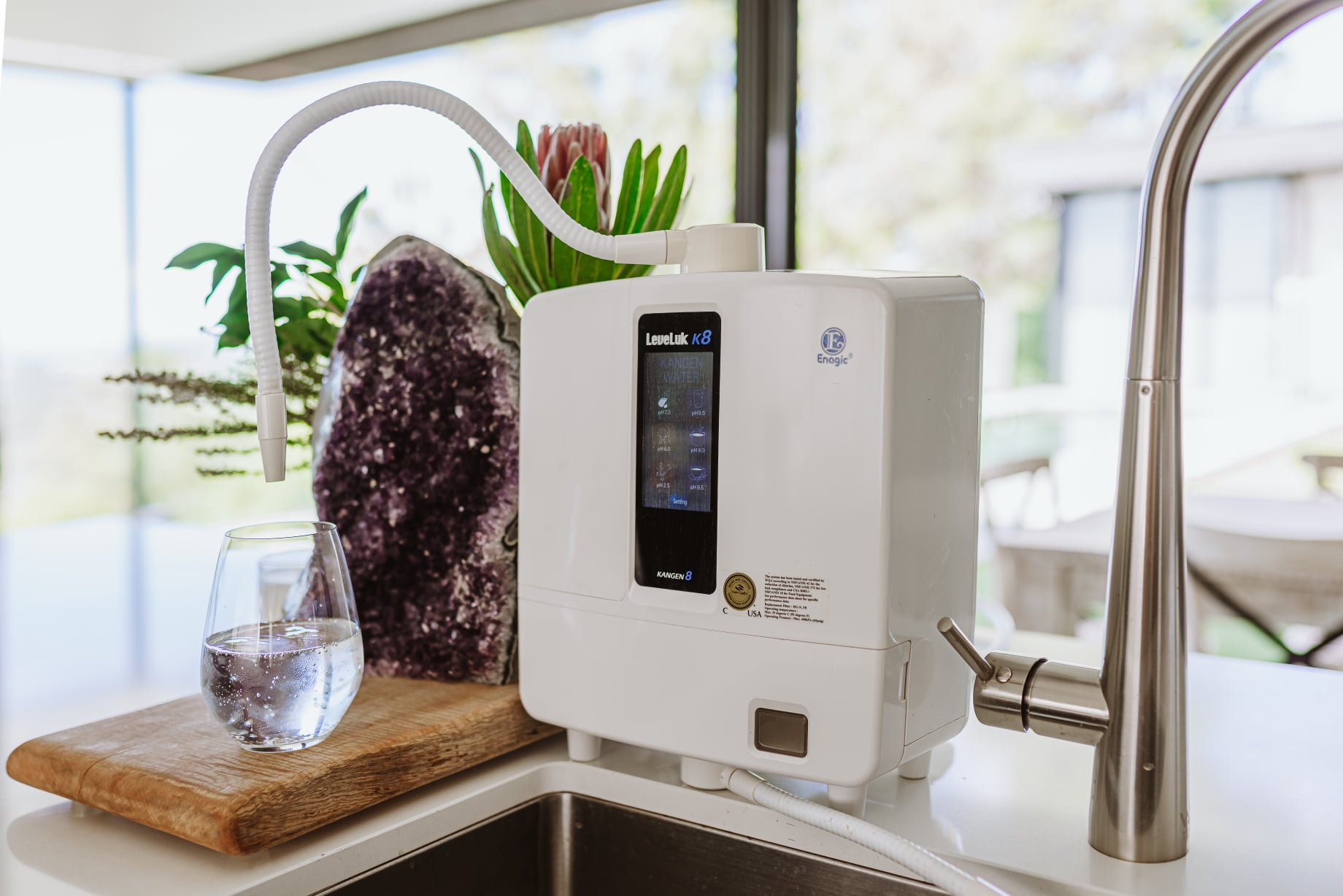
Option 2: Countertop Enagic Hydrogen Water Machine (K8, SD501DX)
• Best for: or people who want easy installation, renters, or those who want to travel with your system
• H₂ concentration: 1.0–1.6 ppm
• Produces: continuous on-demand hydrogen water at the tap
• Filtration: built-in filtration
• Installation: sits on your counter, connects to your faucet or dedication ionizer faucet
• Best of both worlds: full machine performance without permanent installation
Option 3: Installed Enagic Under-Counter (SD501U)
• Best for: families, households serious about long-term hydrogen water access
• H₂ concentration: 1.2–1.6 ppm+
• Produces: hydrogen-rich water from sink top tap
• Filtration: full pre-filtration + ionization stages
• Installation: professional install, semi-permanent setup
• Highest daily convenience — hydrogen water is simply your tap water
What most True Source Waters customers choose
The majority of people who come through our store start by filling their bottle for free, live with the water for a few weeks, and then come back ready to explore a home system. The most common entry point for home install is a countertop Enagic K8 unit — high performance, no permanent modification required, and a significant step up from any portable bottle.
Countertop and under-counter Enagic systems offer identical filtration and hydrogen output — the difference is purely installation. Countertop units sit on your counter and connect to your faucet; under-counter units are plumbed in and save counter space. Same water, same performance, different fit for your kitchen.
Ready to explore? Live Local? Come into our Santa Cruz store, fill your bottle for free, and ask us anything. When you're ready to talk systems, we'll walk you through every option without pressure — and install whatever fits your home and budget. If you're far away, drop us a call or email to discuss options and installation.
→ Browse our home water systems
→ Visit us in Santa Cruz — free refills always available
The Bottom Line
A hydrogen water machine is the most practical and effective way to access consistent, high-concentration hydrogen-rich water every day. The technology is proven, the science is credible, and the systems available today — particularly medical-grade ionizers like those made by Enagic — are the result of decades of refinement.
Whether you start with a portable bottle to test the waters (literally), or you're ready to talk about a home installation, the important thing is that you understand what you're buying and why quality matters.
We've spent years learning this technology, testing these systems, and helping people in Santa Cruz and around the globe find the right setup for their lives. We're happy to help you do the same.

Once you understand how hydrogen water machines work, the next step is exploring the differences between options and what defines a truly high-quality system. The guides below are designed to help you make a more informed, confident decision.
Guides to Help You Choose the Right System
Hydrogen Water Bottle vs Machine
A comparison of portable devices and full systems, including key differences in hydrogen production and daily usability.
About Hydrogen Water at True Source Waters
Learn more about our approach to hydrogen water, our focus on education, and how we help people explore water more intentionally.
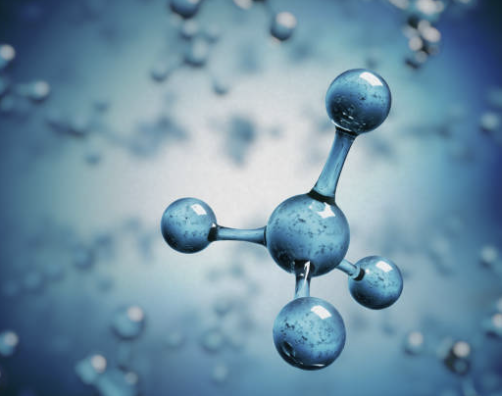
Beginner’s Guide to Molecular Hydrogen
For a deeper understanding of the science behind hydrogen water, including why molecular hydrogen is being studied and how it interacts with the body.
What Makes a High-Quality Hydrogen Water Machine
Learn what separates high-performing systems from lower-quality alternatives, including hydrogen concentration, materials, and technology.
For those ready to explore hydrogen water systems for the home, you can view available options below and learn more about how they integrate into daily life.