
Hydrogen Water Bottle vs Machine: An Honest Comparison
Portable hydrogen water bottles are everywhere right now. But before you buy one, there are some real-world limitations worth understanding — limitations that most sellers won't tell you about.
This guide gives you a straight comparison: what hydrogen water bottles do well, where they fall short, and why a dedicated hydrogen water machine is the more effective long term solution for anyone serious about making hydrogen water part of their daily life.
— WHAT IS A HYDROGEN WATER BOTTLE —
What Is a Hydrogen Water Bottle?
A hydrogen water bottle is a portable container with a small built-in electrolysis chamber at the base. You fill the bottle with water, press a button, and the chamber runs a brief cycle — typically 3 to 5 minutes — that infuses the water with dissolved molecular hydrogen (H₂).
The appeal is obvious: it's compact, it's affordable compared to a home machine, and it travels well. For someone just getting curious about hydrogen water, or someone who wants access to H₂ water at the gym or on a hike, a bottle seems like a sensible starting point.
And in a very narrow set of circumstances, it can be. But there are significant limitations that become apparent once you start using one consistently — and they matter a lot if your goal is meaningful, sustained hydrogen water intake.
— THE REAL-WORLD LIMITATIONS —
The Limitations of Hydrogen Water Bottles
This is the section most hydrogen water bottle retailers skip. We think you deserve to know this before you spend money.
The membrane burns out — faster than you'd expect
The electrolysis membrane inside a hydrogen water bottle is its most critical component — and its most vulnerable. These membranes are typically rated for somewhere between 3 and 6 months of regular use, though many users report degradation beginning well before that.
As the membrane degrades, H₂ output drops. The bottle still runs its cycle, the water still looks the same, but the actual molecular hydrogen concentration in your water is declining — often without any visible indication that anything has changed.
By the time a membrane is significantly degraded, you may be drinking water with negligible H₂ content while assuming you're getting the full benefit. Replacement membranes — where available — add ongoing cost and complexity that most buyers don't anticipate when they make the initial purchase.
⚠ Worth knowing: A hydrogen water bottle with a degraded membrane is essentially just a water bottle. There's no reliable way to test H₂ output at home, so most users have no idea when performance has dropped.
The input water quality problem
A hydrogen water bottle does one thing: infuse water with H₂. It does not filter the water you put into it.
This creates a real problem that most people don't think through. The two most common sources of water for hydrogen bottles are:
Tap water — which in most municipalities contains chlorine, chloramine, fluoride, and varying levels of heavy metals and other contaminants
Plastic bottled water — which introduces its own concerns, including microplastics and the environmental and financial cost of ongoing plastic consumption
When you run contaminated tap water or plastic-bottled water through a hydrogen bottle, you get contaminated hydrogen water. The H₂ infusion doesn't remove what's already in the water — it just adds hydrogen on top of whatever else is there.
For someone who's invested in hydrogen water because they care about what goes into their body, filling a hydrogen bottle with unfiltered tap water undermines the entire purpose.
⚠ The irony: Many people buy hydrogen water bottles because they want cleaner, healthier water — then fill them with tap water or single-use plastic bottles. The filtration step that makes the difference isn't there.
10 ounces at a time is not hydration
This is perhaps the most overlooked practical limitation of hydrogen water bottles — and it's a significant one.
Most hydrogen water bottles hold between 8 and 12 ounces and produce hydrogen water in single batches. Each cycle takes 3 to 5 minutes. To produce a meaningful daily intake of hydrogen water — most researchers suggest 1 to 1.5 liters per day as a baseline — you would need to run somewhere between 4 and 6 separate cycles, waiting several minutes between each one.
In practice, almost nobody does this. What actually happens is that people drink their one bottle of hydrogen water, feel good about it, and then drink regular water for the rest of the day. The result is that their actual daily H₂ intake is a fraction of what the research suggests is meaningful.
Hydrogen water works best as a consistent, whole-day hydration practice — not a single 10-ounce serving. A portable bottle, by design, makes that consistency nearly impossible to maintain.
The hydration math: At 10oz per cycle, reaching 1.5 liters of hydrogen water per day requires 5 separate bottle cycles — roughly 20 minutes of waiting. A hydrogen water machine produces it continuously, on demand, all day.
— WHERE BOTTLES ACTUALLY MAKE SENSE —
When a Hydrogen Water Bottle Is the Right Tool
To be fair: there are circumstances where a hydrogen water bottle may be useful.
Traveling — when you don't have access to your home machine and want to maintain some hydrogen water intake
Early exploration — if you're curious about hydrogen water and want to try it before investing in a home system
In these scenarios, a quality hydrogen water bottle — used with properly filtered water as the input — can provide a meaningful supplemental source of H₂. The key word is supplemental.
A bottle is a useful companion to a home system, or trial H₂ run. It is not a substitute for one.
— WHY A MACHINE SOLVES ALL OF THIS —
What a Hydrogen Water Machine Does Differently
A dedicated hydrogen water machine — whether countertop or installed under your sink — addresses every limitation of a portable bottle.
Continuous, on-demand output
A hydrogen water machine produces hydrogen-rich water at your tap, on demand, in unlimited quantity. There are no cycles to wait through, no batch sizes to manage, no rationing. You drink hydrogen water all day the same way you drink regular water — because it is your regular water.
Built-in filtration
Quality hydrogen water machines include multi-stage filtration that removes chlorine, heavy metals, VOCs, and other contaminants before the water ever reaches the electrolysis chamber. You're not adding hydrogen to compromised water — you're starting with clean water and making it better.
Enagic machines include a built-in filter that removes chlorine, heavy metals, VOC & lead. For households with additional water quality concerns — we recommend pairing the machine with a dense, carbon block, broad spectrum pre-filter, which we can include as part of your installation.
Consistent, verified H₂ concentration
Medical-grade ionizers like the Enagic systems we use at True Source Waters produce consistent H₂ output within the therapeutic range supported by scientific research — typically 1.0 to 1.6 ppm. That output doesn't degrade over a few months. The electrolysis plates in a quality machine are built for 15-25 years of daily use, not seasonal replacement.
No membrane burnout
Enagic machines use solid titanium plates coated in medical-grade platinum — not a degradable membrane. With proper cleaning cycles and basic maintenance, these systems produce consistent H₂ output for years. You always know what you're getting.
The bottom line: A hydrogen water machine isn't just more convenient than a bottle — it's a fundamentally different category of product. One is a gadget. The other is a long term solution & family water system.
— SIDE-BY-SIDE —
Honest Side-by-Side Comparison
Daily H₂ intake
Bottle: Limited to batch size — rarely achieves research-supported daily volume
Machine: Unlimited on-demand — full daily intake is practical and effortless
Water filtration
Bottle: None — you supply the water, contaminants and all
Machine: Multi-stage filtration built in — starts with clean water
H₂ concentration
Bottle: Typically 0.5–1.0 ppm when new; declines as membrane degrades
Machine: Consistent 1.0–1.6 ppm+ for years with proper maintenance
Longevity
Bottle: Membrane typically lasts 3–6 months; replacement adds ongoing cost
Machine: Electrolysis plates last years; low maintenance cost over time
Best use case
Bottle: Travel & supplemental use alongside a home machine
Machine: Primary daily hydration — the right long-term solution
True Source Waters recommendation
Bottle: Useful as a travel companion — not a standalone solution
Machine: What we install, use ourselves, and stand behind
Our Honest Take
If you're deciding between a hydrogen water bottle and a hydrogen water machine as your primary source of H₂ water — the machine wins, clearly and practically.
Bottles have their place for travel and supplemental use. But if your goal is to actually experience what hydrogen water can do — consistently, over time, with water you can trust and optimal hydration to boot— a portable bottle won't get you there. The math on daily intake alone makes that difficult. The membrane degradation and the unfiltered input water make it worse.
At True Source Waters, we're happy to show you the difference in person. Come in, fill your bottle with properly produced hydrogen water from an Enagic system, and feel the difference for yourself. When you're ready to bring that home, we'll help you find the right setup.
Visit us: True Source Waters · 3617b Portola Dr, Santa Cruz, CA 95062 · Free refills always available · Mon–Sat 10am–6pm

Choosing between a hydrogen water bottle and a full system ultimately comes down to how you plan to incorporate hydrogen water into your daily life. For some, portability is a starting point. For others, consistency and ease become more important over time.
Continue Exploring Hydrogen Water
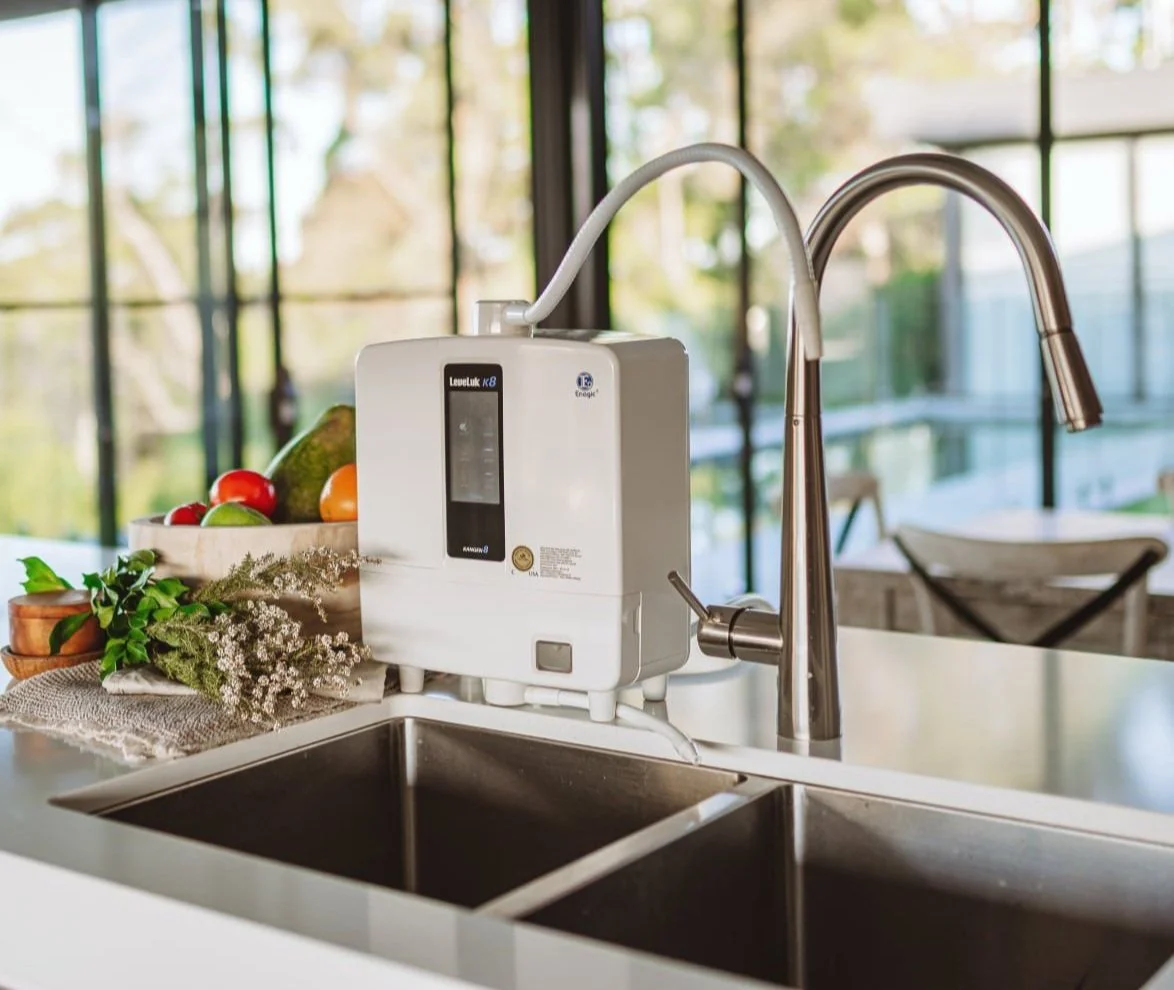
Hydrogen Water Machines: How They Work, What to Look For, and How to Choose the Right System
A complete guide to how hydrogen water systems function and what to consider when choosing one for your home.

Beginner’s Guide to Molecular Hydrogen
For a deeper understanding of the science behind hydrogen water, including why molecular hydrogen is being studied and how it interacts with the body.
What Makes a High-Quality Hydrogen Water Machine
Learn what separates high-performing systems from lower-quality alternatives, including hydrogen concentration, materials, and technology.
For those interested in producing hydrogen-rich water more consistently, dedicated systems are designed to generate molecular hydrogen directly into drinking water throughout the day.